




09 Jan What Exactly Does a Dressmaker Do
Introduction
Clothing plays a crucial role in how we present ourselves. Many people wonder what a dressmaker does and how their work differs from other garment professionals. Dressmakers transform fabric into tailored clothing, ensuring a perfect fit and stylish appearance. This article explains the responsibilities, skills, and services of a dressmaker. Understanding these roles helps you choose the right professional for your wardrobe needs. Ladies Stitching provides insight into the world of dressmaking and its applications in Pakistan.
Design and Consultation
A dressmaker starts with design and consultation. They discuss the client’s preferences, style, and measurements. Key steps include:
Understanding Requirements: Dressmakers ask questions about the occasion, style, and fabric preferences.
Sketching Designs: Preliminary sketches show the potential look and structure of the garment.
Fabric Selection: Choosing fabric suitable for the design, season, and comfort.
Customization: Adjusting designs to meet individual needs and body shapes.
Effective consultation ensures client satisfaction.
Measurement and Pattern Making
Accurate measurements are essential. Dressmakers take detailed measurements to ensure a precise fit. Steps include:
Measuring bust, waist, hips, shoulders, and length requirements.
Drafting patterns based on measurements and design.
Adjusting patterns for alterations or unique design elements.
Pattern making serves as a blueprint. It guides the cutting and stitching process. Dressmakers often use software or traditional paper methods to create patterns.
Cutting and Preparing Fabric
Once patterns are ready, dressmakers cut the fabric. Attention to detail ensures minimal waste and proper alignment. Key points include:
Laying out patterns on fabric for optimal use.
Cutting fabric carefully to match patterns and design elements.
Marking sewing lines and reference points for accurate stitching.
Proper cutting prevents issues during stitching.
Stitching and Assembly
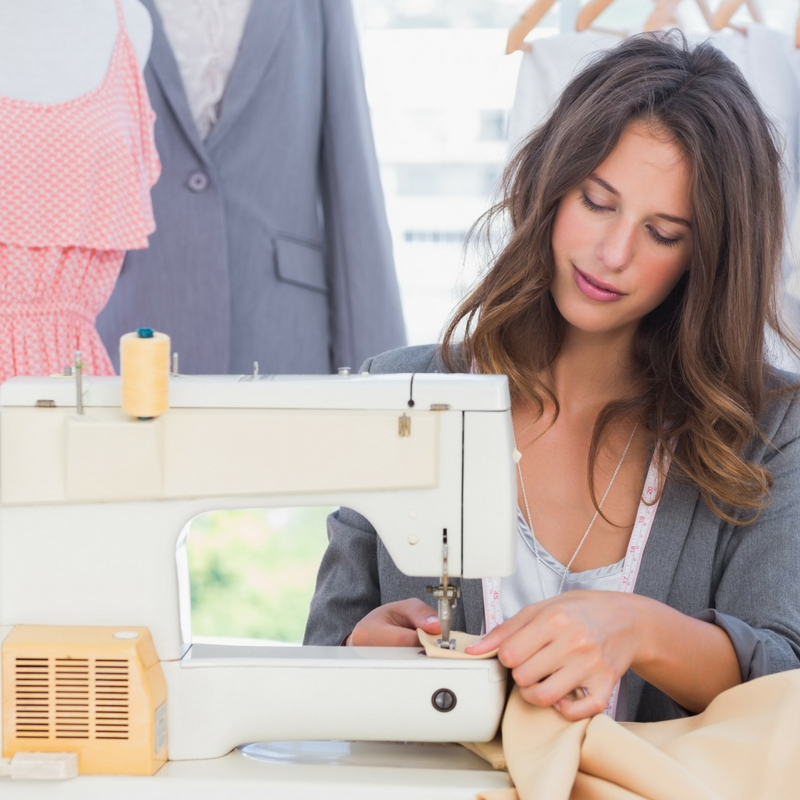
Stitching is the core of a dressmaker’s work. It involves combining fabric pieces into a finished garment. Steps include:
Using machines and hand stitching for different parts.
Attaching linings, zippers, buttons, or other accessories.
Pressing seams and ensuring alignment of patterns.
Fitting sessions to adjust the garment for comfort and style.
Dressmakers balance speed and quality. High-quality stitching ensures longevity and professional appearance.
Alterations and Finishing
A dressmaker ensures the garment fits perfectly and meets design expectations. Tasks include:
Adjusting length, waist, or other dimensions during fittings.
Hemming, adding decorative elements, or reinforcing seams.
Final pressing and inspection for quality.
Finishing touches define the professionalism of a garment. Dressmakers aim for garments that look polished and fit flawlessly.
Additional Services
Some dressmakers expand services beyond basic stitching. These include:
Bridal and Formal Wear: Designing and creating wedding dresses or evening gowns.
Embroidery and Embellishment: Adding decorative details for style and uniqueness.
Wardrobe Consultation: Advising clients on suitable styles, fabrics, and colors.
Repairs and Restyling: Transforming old garments into updated, wearable pieces.
Offering diverse services increases client satisfaction and versatility.
Tips for Working With a Dressmaker
Clearly communicate your style and expectations.
Provide accurate measurements for better fit.
Choose fabrics suited for your design and lifestyle.
Schedule fittings to ensure proper adjustments.
Maintain garments according to dressmaker recommendations to prolong lifespan.

No Comments