




09 Jan What Is the Difference Between a Dressmaker and a Seamstress
Introduction
Many people use the terms dressmaker and seamstress interchangeably, but they have distinct roles and skills. Knowing the difference helps you choose the right professional for custom clothing, alterations, or repairs. This article explains what separates dressmakers from seamstresses, highlights their expertise, and shows how services like Ladies Stitching In Pakistan meet diverse clothing needs.
Defining a Dressmaker
A dressmaker specializes in designing, creating, and altering women’s clothing. Their work focuses on custom garments, ensuring a precise fit and stylish appearance. Dressmakers often handle:
Designing dresses, gowns, blouses, and skirts
Custom fitting for individual body shapes
Using advanced stitching techniques for aesthetics
Incorporating embellishments like embroidery or lace
Advising on fabric choice and garment maintenance
Dressmakers typically work with clients to create unique pieces. They often follow patterns or create their own designs based on client preferences. Their expertise allows them to transform fabrics into garments that fit perfectly and reflect personal style.
Defining a Seamstress
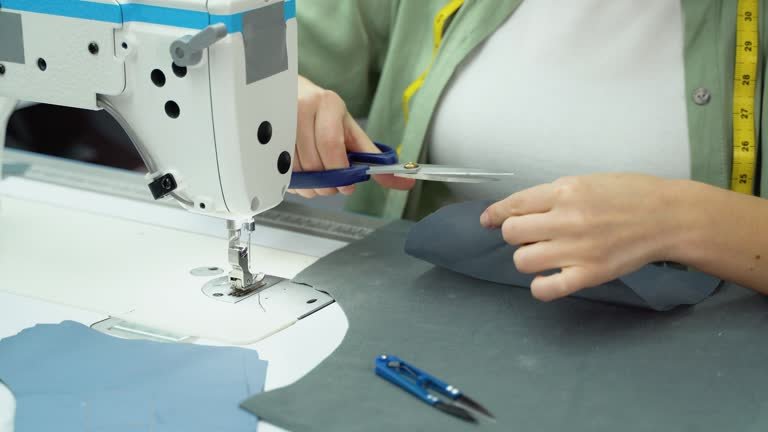
A seamstress primarily focuses on sewing, repairing, and altering garments. Their work emphasizes functionality, ensuring clothing is durable and wearable. Seamstresses often perform:
Hemming and shortening garments
Repairing torn or damaged clothing
Replacing zippers, buttons, or fasteners
Adjusting fit of ready-made garments
Maintaining clothing through stitching or reinforcement
Seamstresses usually follow existing patterns rather than designing original garments. Their skills are essential for keeping clothing in good condition and ensuring comfort and fit.
Key Differences Between a Dressmaker and a Seamstress
Understanding the differences helps in selecting the right professional for your needs.
Focus: Dressmakers create new garments. Seamstresses maintain and repair clothing.
Design Skills: Dressmakers design custom pieces. Seamstresses follow existing designs.
Creativity: Dressmakers incorporate style, patterns, and embellishments. Seamstresses focus on functionality and fit.
Client Interaction: Dressmakers consult clients on preferences and style. Seamstresses often work with instructions for adjustments or repairs.
Scope of Work: Dressmakers handle complex garments and custom orders. Seamstresses work on alterations, repairs, and finishing touches.
Overlap Between the Roles
While distinct, the roles overlap in several areas:
Both use sewing machines, needles, and threads
Both adjust garments to improve fit
Both require precision and attention to detail
Both provide essential clothing services for clients
Real-World Examples
Wedding Dress: A dressmaker designs and constructs a bridal gown, selecting fabric, creating a pattern, and fitting the dress to the bride.
Alteration: A seamstress shortens the hem of a purchased gown and replaces a broken zipper for proper fit and function.
Custom Outfit: A client orders a unique party dress from a dressmaker, who advises on fabric and embellishments. A seamstress may later adjust the fit for comfort or wear.
Tips for Choosing the Right Professional
For custom designs and new garments, hire a dressmaker.
For repairs, hemming, or alterations, hire a seamstress.
Check portfolios to assess style and quality.
Ask about experience with specific fabrics or garments.
Clarify pricing and expected turnaround time.
Benefits of Professional Services
Working with professionals like Ladies Stitching In Pakistan ensures:
Accurate fit and measurements
High-quality stitching and finishing
Expertise in both design and alterations
Reliable delivery times
Guidance on fabric selection, garment care, and style

No Comments