




09 Jan How Does Dressmaking Different From Tailoring
Introduction
Many people use the terms dressmaking and tailoring interchangeably, but their skills and focus differ. Understanding these differences helps you choose the right professional for your clothing needs. Dressmaking emphasizes style and design, while tailoring emphasizes fit and garment structure. This article explores how these fields differ, the skills involved, and the services offered by professionals like Ladies Stitching and Ladies Stitching In Pakistan.
Core Focus: Dressmaking vs Tailoring
Dressmaking focuses on creating garments from scratch, often with a creative or decorative approach. Dressmakers design dresses, gowns, and casual or formal clothing tailored to client style preferences.
Tailoring focuses on structured garments such as suits, jackets, trousers, and shirts. Tailors prioritize fit, balance, and function, ensuring garments conform to the body’s shape.
Key Differences in Services
Design and Creativity
Dressmakers often design custom pieces. They select fabrics, create patterns, and incorporate decorative elements. Tailors rarely design; they use existing patterns and focus on adjustments.
Garment Types
Dressmakers produce dresses, gowns, blouses, and casual wear. Tailors produce suits, jackets, pants, and coats. Both may perform alterations or repairs, but their core garment types differ.
Skill Application
Dressmakers emphasize sewing, embroidery, embellishments, and fabric draping. Tailors emphasize precise measurements, seam construction, lining, and structured fit.
Alterations and Repairs
Tailors handle complex alterations such as resizing suits or adjusting sleeves. Dressmakers often adjust dresses and gowns for fit or style modifications.
Techniques and Tools
Dressmakers use hand sewing and machine stitching for decorative effects. They often work with softer fabrics like chiffon, silk, and lace. Tailors use structured stitching, pressing techniques, and reinforced seams. They often work with wool, cotton blends, and heavy fabrics suitable for suits and jackets.
Practical Applications
Dressmaker Example
A client visiting Ladies Stitching In Pakistan wants a wedding gown. The dressmaker measures, selects fabric, creates a pattern, stitches, and adds embellishments to match the client’s style.
Tailor Example
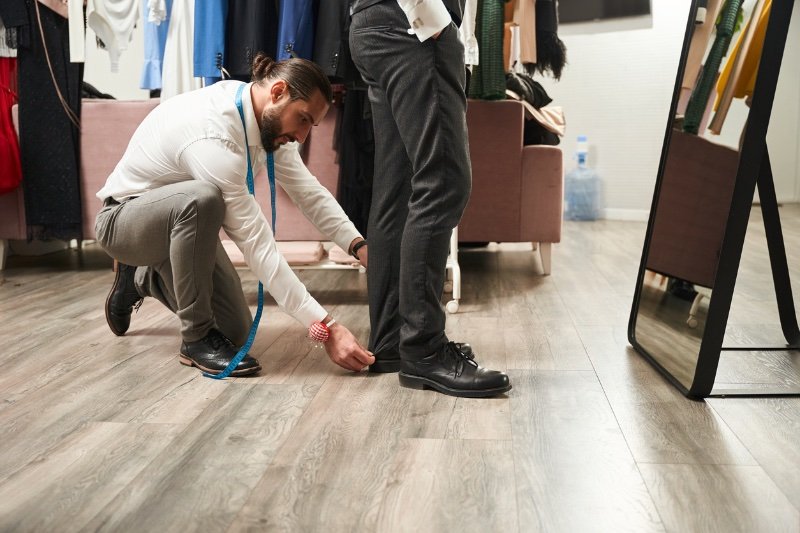
A client needs a suit adjusted. The tailor measures, alters seams, and ensures precise fit. Machine and hand stitching guarantee structural integrity.
Overlap Between Dressmaking and Tailoring
While differences exist, both fields share common skills:
Accurate measuring
Cutting and stitching fabrics
Alterations and repairs
Knowledge of fabric types
Understanding the overlap ensures you know what services are available and when to consult a dressmaker versus a tailor.
Tips for Choosing the Right Professional
Identify garment type and purpose.
Determine whether style/design or fit/structure is the priority.
Review the professional’s portfolio for examples of similar work.
Schedule consultations to clarify requirements and expectations.
Ask about fabric recommendations and care instructions.
By following these steps, you ensure your clothing meets your personal standards and fits your needs.

No Comments