




13 Jan What is the Lifespan of an AC Unit
Introduction
Air conditioners are vital in Pakistan’s climate, providing comfort and cooling throughout hot months. Understanding the lifespan of an AC unit helps you plan maintenance, avoid unexpected breakdowns, and maximize investment. Homeowners often ask how long their ACs last and what affects performance over time. This article explores the average lifespan, factors that influence it, and practical tips to extend it, with guidance from AC Service In Lahore, Pakistan.
Average Lifespan of an AC Unit
Most residential air conditioners last between 10 to 15 years. Commercial units may have a shorter lifespan of 8 to 12 years due to heavier usage. Proper maintenance, usage patterns, and environmental conditions significantly influence longevity.
Factors Affecting AC Lifespan
Quality of Installation: Proper installation ensures optimal airflow and electrical connections. Incorrect installation increases wear on components and reduces lifespan.
Usage Frequency: Units running for extended hours daily experience faster wear. Adjusting usage during cooler periods preserves the system.
Maintenance Routine: Regular cleaning and servicing prevent dust accumulation, clogged filters, and mechanical issues.
Climate and Environment: High humidity and dust levels accelerate corrosion and component degradation. Coastal areas may cause faster rusting of external units.
Energy Supply: Frequent voltage fluctuations or power surges stress electrical components, affecting the compressor and circuitry.
Signs Your AC May Be Near the End of Its Lifespan
Declining cooling efficiency despite regular maintenance
Unusual noises such as rattling, hissing, or buzzing
Frequent breakdowns or repairs
Rising electricity bills due to reduced efficiency
Refrigerant leaks or frost buildup
Maintenance Practices to Extend AC Lifespan
Schedule Professional Servicing
Contact AC Service In Lahore, Pakistan for twice-yearly inspections before summer and after winter.
Technicians check electrical systems, refrigerant levels, and mechanical components.
Regular Cleaning
Clean or replace filters every 1 to 2 months.
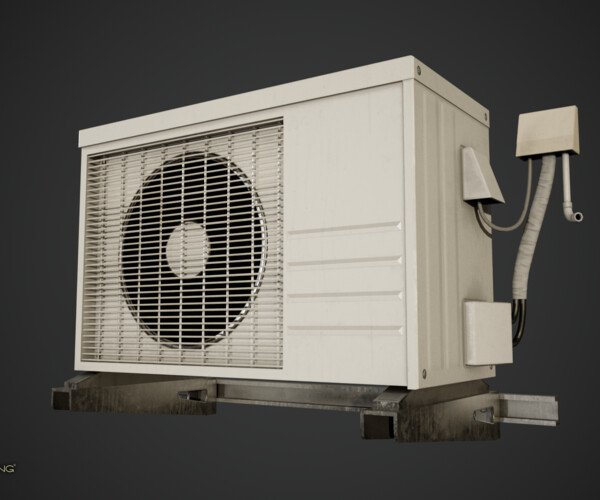
Clear debris around outdoor units to maintain airflow.
Wipe internal coils to prevent dust buildup.
Monitor Usage Patterns
Avoid overworking the unit by maintaining moderate thermostat settings.
Use timers or smart controls to reduce unnecessary operation.
Protect Electrical Components
Install voltage stabilizers to prevent damage from power surges.
Ensure proper grounding and secure wiring connections.
Address Repairs Promptly
Fix small issues immediately to prevent cascading damage.
Leaking refrigerant or faulty fans should be repaired by certified technicians.
Practical Examples
A household using a mid-range AC without regular servicing noticed a decline in cooling within 7 years. After introducing biannual maintenance, the unit’s lifespan extended to 13 years.
An office in Lahore exposed to dust and heavy daily usage had AC units lasting 9 years. Cleaning filters and servicing every six months improved efficiency and delayed replacement.

No Comments