




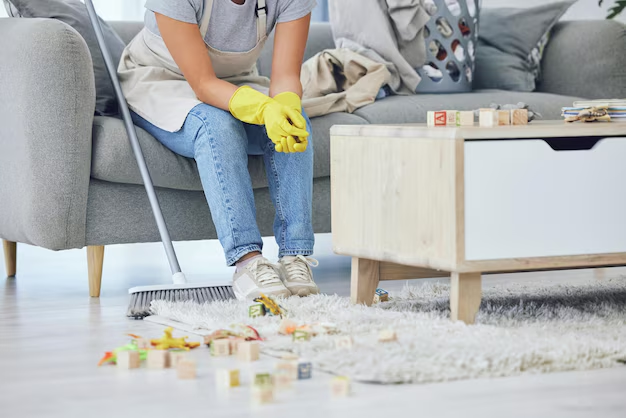
12 Jan What Is the 20 Minute Rule in Cleaning?
Introduction:
Cleaning can be hard to do. You see clutter, dust, and stains all around you, and you lose energy before you even start. You want your home to be clean, but you don’t have much time. Because of this problem, a lot of people put off cleaning until the mess gets worse. The 20-minute rule for cleaning is a useful solution. This article explains what the rule means, how it works, and why it is effective.
What the 20-Minute Rule Means
The 20-minute rule for cleaning is simple. You clean one area or complete one task for only 20 minutes. When the time is up, you stop. You can repeat the process later if needed.
This rule focuses on short cleaning sessions. You avoid long hours of work and reduce physical and mental fatigue. Professional cleaners often use time-based cleaning methods because short, focused work improves productivity and consistency.
Why 20 Minutes Works Well
Large cleaning tasks feel overwhelming. Cleaning for 20 minutes feels manageable and realistic.
Short sessions help reduce mental pressure and improve focus. You work with a clear goal and stop before feeling tired. This makes it easier to build a regular cleaning habit.
How the 20-Minute Rule Works in Daily Life
Homes naturally get dirty every day. Dust settles, dishes pile up, and floors get marked. The rule allows you to focus on one area at a time instead of trying to clean everything at once.
The goal is progress, not perfection. Each session improves the space little by little.
Step-by-Step Use of the 20-Minute Rule
First, choose one small task or area.
Second, set a timer for 20 minutes.
Third, clean only that area without switching tasks.
Fourth, stop when the timer ends, even if some work remains.
Fifth, repeat the process later or the next day.
This structure keeps cleaning controlled and stress-free.
Common Mistakes to Avoid
Some people break the rule by cleaning multiple areas at once or ignoring the timer. Others expect deep cleaning in one session.
The rule works through repetition. One short session prepares you for the next.
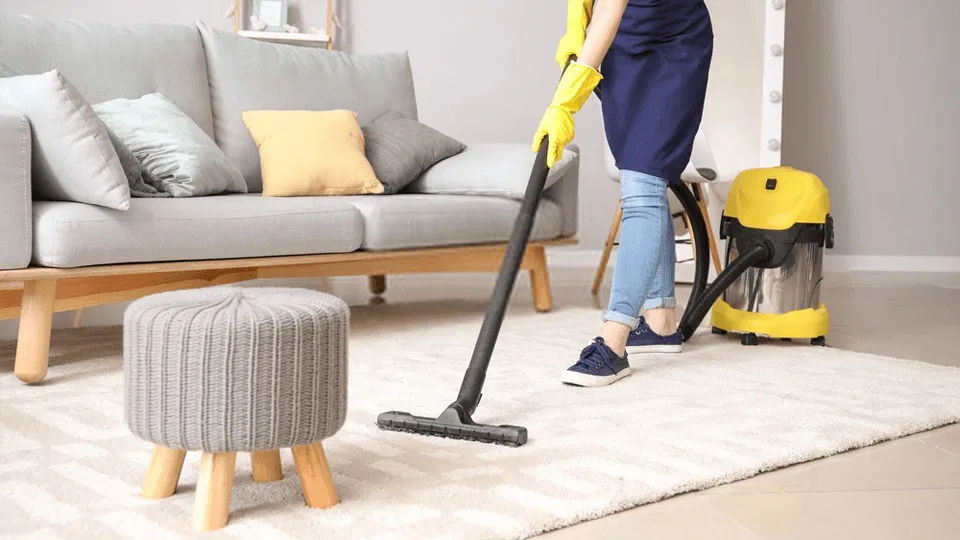
How Often You Should Use the Rule
Busy households benefit from daily sessions. One or two short cleanings each day help maintain order.
Lighter routines may use the rule a few times per week.
Professional cleaning schedules also rely on timed work blocks to maintain quality and efficiency.
Areas That Benefit Most From the Rule
High-use areas respond best to timed cleaning.
Kitchens often collect mess quickly.
Bathrooms show visible results in short time.
Bedrooms stay tidy with small daily effort.
Entryways improve fast due to limited space.
Large areas may require multiple sessions.
Cleaning Tools That Support Fast Work
Having basic tools ready helps maximize time.
Simple supplies allow you to focus on cleaning instead of preparation.
Keeping tools close to cleaning areas saves effort and time.
How the Rule Helps Busy Families
Families with work and school schedules often struggle with long cleaning routines.
The 20-minute rule fits into short time windows during the day.
Children can also participate with small tasks, making cleaning manageable for everyone.
Mental Benefits of Short Cleaning Sessions
Messy environments affect mood and concentration.
Short cleaning sessions create visible results quickly, reducing stress.
You regain control of your space and feel less pressure about unfinished chores.

How Professionals Use Timed Cleaning
Professional cleaners rely on timed cleaning to manage workload, maintain standards, and reduce exhaustion.
Cleaning services in Pakistan often train staff to follow structured time blocks.
The same method can be used at home for consistent results.

No Comments